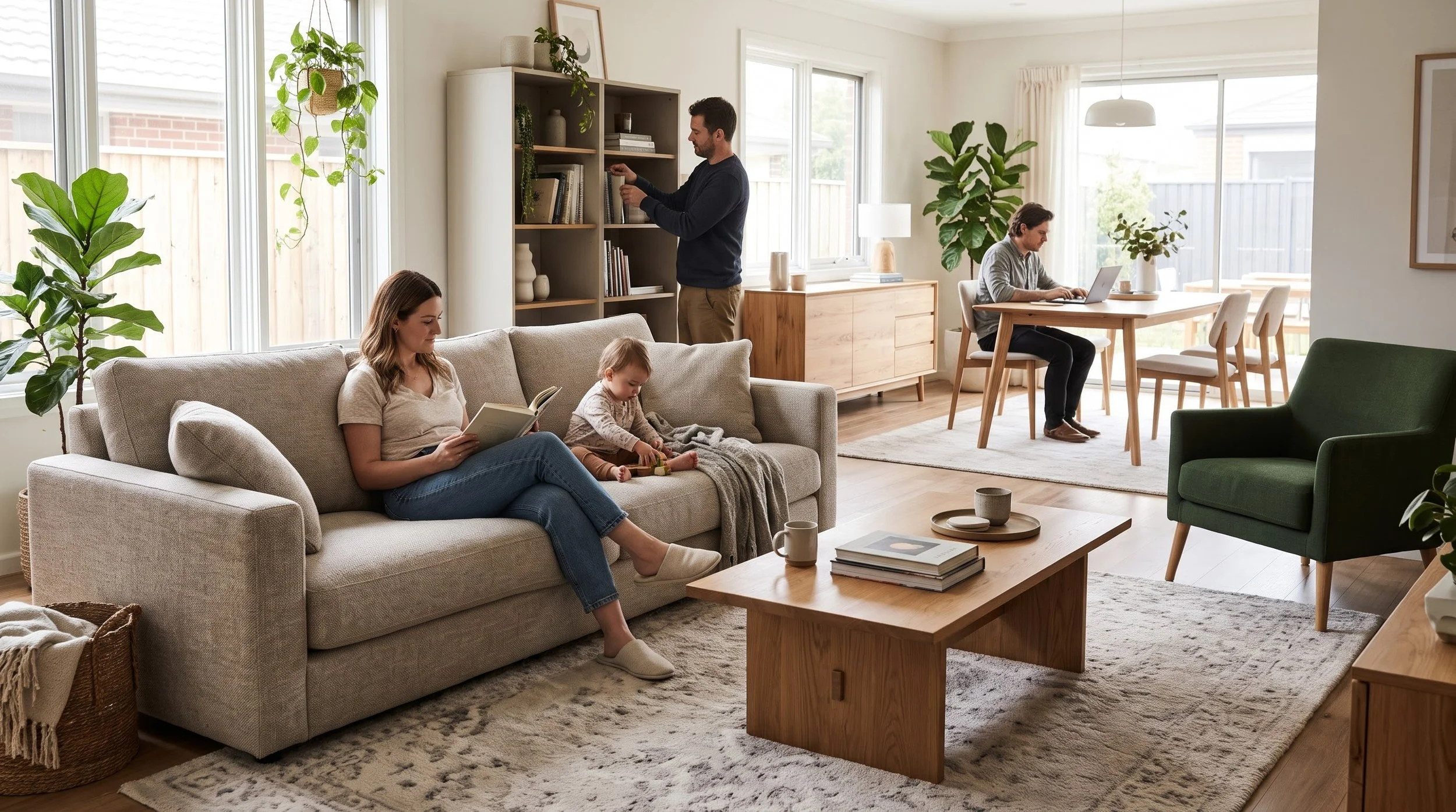
Furniture plays a defining role in how a home looks and feels. Beyond filling an empty room, the right pieces establish the atmosphere, support everyday routines, and help create a space that feels personal and inviting.
However, choosing furniture involves more than finding pieces that look beautiful individually. Each selection should complement the room’s proportions, work with the overall design, and serve a practical purpose.
Whether furnishing a new home or updating an existing interior, here are some important considerations for choosing furniture that brings everything together.
1. Start With the Way You Live
Before selecting furniture, think about how each room is actually used. A living room designed for entertaining may require a different arrangement from one intended for quiet evenings with family.
Consider your daily routines, the number of people using the space, and any activities that need to be accommodated.
For example:
A sectional sofa may work well for families who regularly gather in the living room.
A compact dining table can be more practical for smaller households.
A comfortable accent chair can create a reading corner without requiring a complete room redesign.
A storage bed can provide additional organization in a bedroom with limited closet space.
Furniture should support your lifestyle rather than force you to adapt to an impractical layout.
2. Get the Scale and Proportions Right
One of the most common furniture-selection mistakes is choosing pieces that are too large or too small for a room.
An oversized sofa can overwhelm a compact living area, while a small dining table may feel disconnected in a spacious dining room.
Measure the room before purchasing furniture, including doorways and access points that pieces need to pass through during delivery.
Pay attention to:
The relationship between furniture height and ceiling height.
The amount of floor space surrounding larger pieces.
Comfortable walking paths between furniture.
The visual balance between substantial and lighter pieces.
A well-proportioned room feels more comfortable and intentional, even when furnished with relatively simple pieces.
3. Invest in the Pieces You Use Most
Not every furniture purchase needs to be a major investment. However, certain pieces have a greater impact on everyday comfort and should receive more consideration.
Sofas, mattresses, dining chairs, and frequently used lounge chairs are worth evaluating carefully because they are used regularly.
Look beyond appearance when assessing these pieces. Consider the construction, cushioning, upholstery, maintenance requirements, and overall comfort.
For decorative side tables, occasional chairs, and smaller accent pieces, there may be more flexibility to experiment with different styles and price points.
4. Mix Furniture Styles Without Losing Cohesion
A home does not need to follow one strict furniture style to feel beautifully designed.
Combining contemporary, traditional, vintage, and modern pieces can create a more layered interior with personality. The key is finding common elements that connect the different selections.
These connections might come from:
Similar wood tones or complementary finishes.
A consistent color palette.
Repeated shapes or design details.
A balance of visual weight and proportions.
Materials that complement one another.
For example, a contemporary sofa can work beautifully alongside a vintage wooden coffee table when the colors, scale, and surrounding finishes feel intentional.
5. Choose Upholstery and Materials for Everyday Living
The appearance of furniture matters, but so does how it performs over time.
Different materials require different levels of care, making it important to consider the household’s needs before making a selection.
Performance fabrics can be useful in high-use living areas, while leather may appeal to homeowners looking for a material that develops character with age. Natural wood adds warmth and texture, while metal and stone can introduce contrast and visual interest.
Consider sunlight exposure, pets, children, cleaning requirements, and how frequently each piece will be used.
The best material is not necessarily the most expensive one. It is the one that suits the space and the people living in it.
6. Make Room for Multifunctional Furniture
In homes where space is limited, furniture that serves more than one purpose can make a significant difference.
A storage ottoman can function as both seating and concealed storage. An extendable dining table can accommodate additional guests when needed, while a console table can double as a compact workspace.
Other useful options include:
Nesting tables that can be rearranged when entertaining.
Sofa beds for occasional overnight guests.
Benches with built-in storage.
Wall-mounted desks for compact home offices.
Extendable tables for flexible dining arrangements.
Multifunctional furniture allows homeowners to make better use of available space without compromising comfort or design.
7. Use Accent Furniture to Complete the Room
Once the larger furniture pieces are selected, accent furniture helps bring the room together.
Side tables, console tables, ottomans, benches, and occasional chairs add functionality while introducing additional textures, shapes, and finishes.
These pieces are also an opportunity to incorporate more distinctive design elements without making the entire room feel overly coordinated.
A sculptural side table, an upholstered accent chair, or a distinctive console can add character while complementing the main furniture selections.
8. Consider the Furniture as Part of the Overall Design
Furniture should not be selected in isolation from the rest of the interior.
Wall colors, flooring, lighting, window treatments, and architectural details all influence how furniture looks within a room.
A dark wood dining table, for instance, may create a beautiful contrast against lighter flooring, while a neutral sofa can provide flexibility when introducing colorful artwork, cushions, and accessories.
Considering these elements together helps create a more cohesive home where each piece feels like it belongs.
Why This Matters
Furniture is one of the most significant elements of residential interior design because it directly affects how people experience their homes.
Thoughtful selections can improve circulation, maximize functionality, create visual balance, and make everyday activities more comfortable. They also help establish a design direction that feels consistent without making every room look identical.
Final Thoughts
Choosing furniture is about finding the right balance between what looks good and what works in everyday life. The most successful interiors are not necessarily filled with expensive or perfectly matching pieces. They are spaces where every selection feels considered, comfortable, and appropriate for the people who live there.
At West Village Interiors, we believe furniture should complement the architecture, support the homeowner’s lifestyle, and bring personality into every room. With thoughtful planning and carefully selected pieces, furniture can transform a house into a home.