Redesigning a Condo With Existing Furniture: What to Keep vs. What to Add to Make Your Apartment Feel Like Home
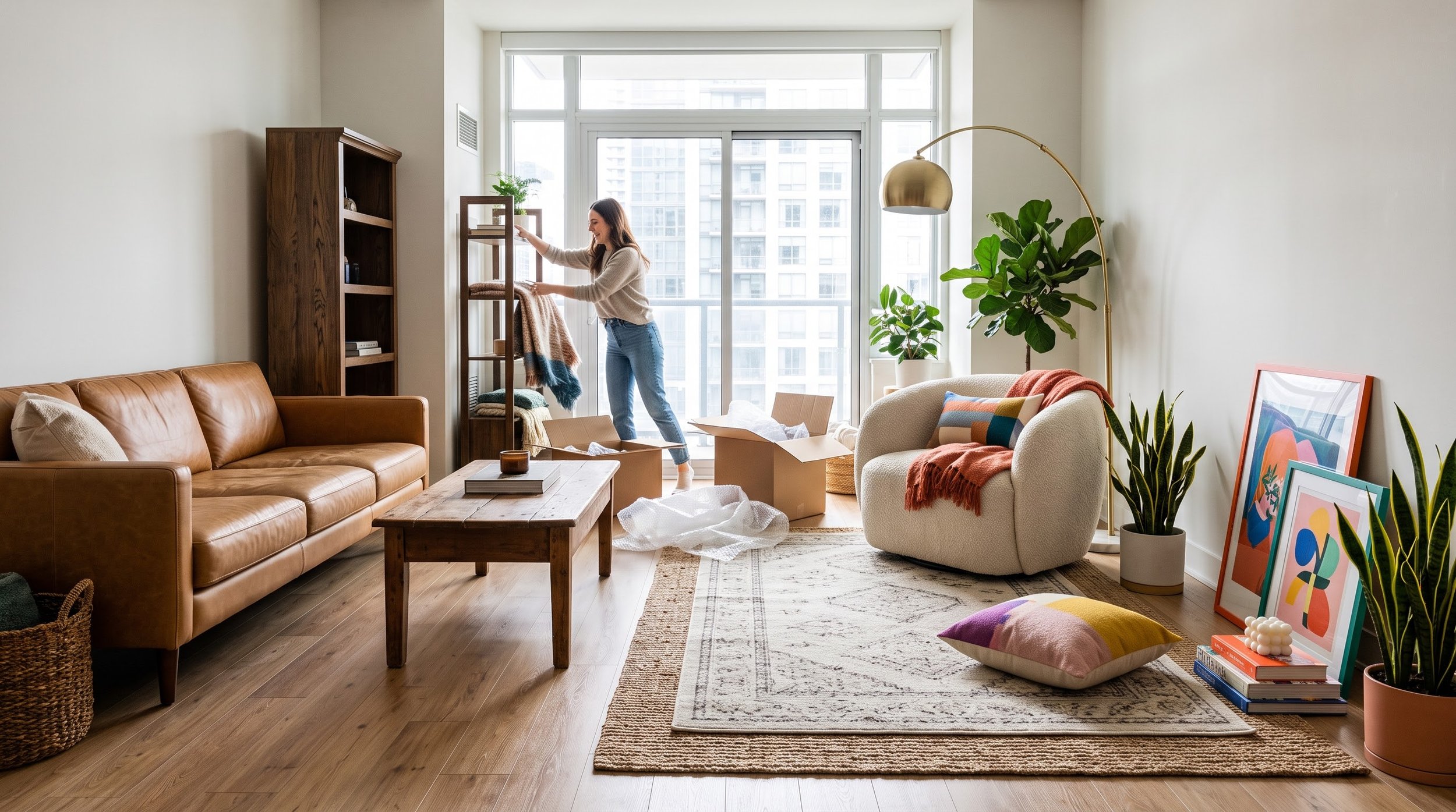
Redesigning a condo doesn’t always mean starting from scratch. You may already have a sofa you love, a dining table that fits perfectly, or furniture you’ve collected over the years. The challenge is figuring out how to make everything work together in a space that feels cohesive, comfortable, and distinctly yours.
The secret isn’t replacing everything you own. It’s understanding which pieces deserve to stay, which areas need improvement, and what additions will make the biggest difference.
At West Village Interior, we believe a well-designed home should reflect the people who live in it. With the right approach, even a condo furnished with existing pieces can feel thoughtfully designed and completely transformed.
1. What to Keep: Start With Furniture That Still Works
Before purchasing anything new, evaluate the furniture you already have. A piece doesn’t need to be new or perfectly on trend to belong in your redesigned home.
Keep furniture that:
Fits the room without obstructing walkways.
Serves a practical purpose in your daily routine.
Has good structural quality and remains comfortable.
Holds sentimental value or reflects your personal style.
Can complement the direction you want the interior to take.
A well-made wooden dining table, a comfortable sofa, or a vintage cabinet can become the foundation of your design.
However, be honest about pieces that are damaged, uncomfortable, poorly scaled, or difficult to incorporate. Keeping everything simply because you already own it can prevent the room from reaching its full potential.
2. What to Reconsider: Furniture That Doesn’t Fit the Space
Condo living often comes with limited square footage, making proportion especially important.
A bulky sofa might dominate a small living room, while an undersized rug can make the entire seating arrangement feel disconnected. Sometimes, the problem isn’t the furniture itself but how it’s positioned.
Before replacing a piece, try:
Rearranging furniture to improve circulation.
Moving occasional chairs to another room.
Removing unnecessary side tables or storage units.
Repositioning the sofa to create a more natural focal point.
Using furniture away from walls when the layout allows.
If a piece consistently makes the room feel cramped or interrupts how you move through the space, it may be worth replacing it with something better suited to the condo.
3. What to Add: Lighting That Changes the Atmosphere
Lighting is one of the most effective ways to refresh an apartment without replacing major furniture.
Many condos rely heavily on overhead lighting, which can make an otherwise beautiful space feel flat or impersonal.
Introduce different layers of light, such as:
Floor lamps beside a sofa or reading chair.
Table lamps on consoles and bedside tables.
Pendant lights over dining areas, where installation is permitted.
Warm-toned bulbs for a softer evening atmosphere.
If you’re renting or working with an existing electrical layout, plug-in fixtures can offer flexibility without major modifications.
The goal is to make your home feel comfortable at different times of day, not just bright enough to function.
4. What to Add: Textiles That Connect Everything
If your existing furniture comes from different periods or styles, textiles can help bring the room together.
Think of curtains, area rugs, cushions, throws, and bedding as the elements that connect your larger furniture pieces.
For a more cohesive look:
Choose a consistent color palette.
Repeat a few colors across different rooms.
Mix textures rather than matching every fabric.
Use curtains to soften windows and add visual height.
Introduce an area rug that properly anchors the seating arrangement.
For example, a neutral sofa, a dark wood coffee table, and a contemporary accent chair can feel intentional when connected by a complementary rug, textured cushions, and coordinated artwork.
You don’t need everything to match. You need the elements to relate to one another.
5. What to Add: Personal Details That Make It Feel Like Home
A professionally designed apartment can still feel impersonal if it lacks the details that reflect its owner.
This is where personal belongings become part of the design.
Consider incorporating:
Artwork collected over time.
Framed photographs.
Books and objects related to your interests.
Ceramics or souvenirs from meaningful trips.
Plants that suit your lighting conditions.
Heirloom pieces or furniture with sentimental value.
The key is intentional placement. Rather than displaying every object at once, group selected pieces on shelves, consoles, or tabletops and leave some breathing room around them.
Your apartment should tell your story—not look like a showroom assembled in one afternoon.
6. What to Upgrade: The Details You Interact With Every Day
Sometimes, the biggest improvement comes from updating small elements rather than purchasing another large furniture piece.
Look at the details you touch and see every day.
Depending on your budget and whether you own or rent the condo, consider:
Replacing outdated cabinet hardware.
Updating lampshades or light fixtures.
Improving closet and entryway organization.
Adding better window treatments.
Refreshing worn cushions or reupholstering a quality chair.
Replacing tired decorative accessories with a few more considered pieces.
Always check your lease, building rules, and installation requirements before making permanent changes.
These targeted upgrades can make an existing interior feel more refined without the cost and disruption of a complete renovation.
7. What to Prioritize: Spend Where It Makes the Biggest Difference
You don’t need to buy everything at once. In fact, making purchases gradually can help you understand what the apartment actually needs.
Start with the issues that affect your daily experience most.
A practical order of priority:
Layout and circulation: Make sure the apartment functions comfortably.
Lighting: Improve the atmosphere and usability of each room.
Foundational textiles: Use rugs and curtains to soften and connect the space.
Storage: Reduce visible clutter and make everyday routines easier.
Personal finishing touches: Add artwork, decorative objects, and meaningful details.
If your sofa is comfortable and in good condition, you may not need a new one. Your budget might be better spent on lighting, a properly sized rug, or curtains that make the entire room feel more finished.
The best investment is the one that solves a real problem in your home.
Why This Matters
Redesigning with existing furniture is about making thoughtful decisions rather than replacing everything for the sake of change.
By identifying what works, improving what doesn’t, and introducing carefully selected additions, you can create a home that feels cohesive without unnecessary spending.
For condo owners, this approach is particularly valuable because every purchase needs to earn its place—both visually and functionally.
Final Thoughts
Making an apartment feel like home doesn’t require a completely new set of furniture. It requires a clearer vision for the pieces you already own and a thoughtful plan for what comes next.
Keep what serves you, reconsider what gets in the way, and invest in additions that improve how your home looks and feels.
At West Village Interior, we believe great interior design begins with understanding the space and the person living in it. Whether you’re refreshing a condo or rethinking an entire apartment, the goal is to create an interior that feels intentional, comfortable, and genuinely yours.
You don’t have to start over to create a home that feels new.