The 7-Layer Approach to Making a New Home Feel Like Yours
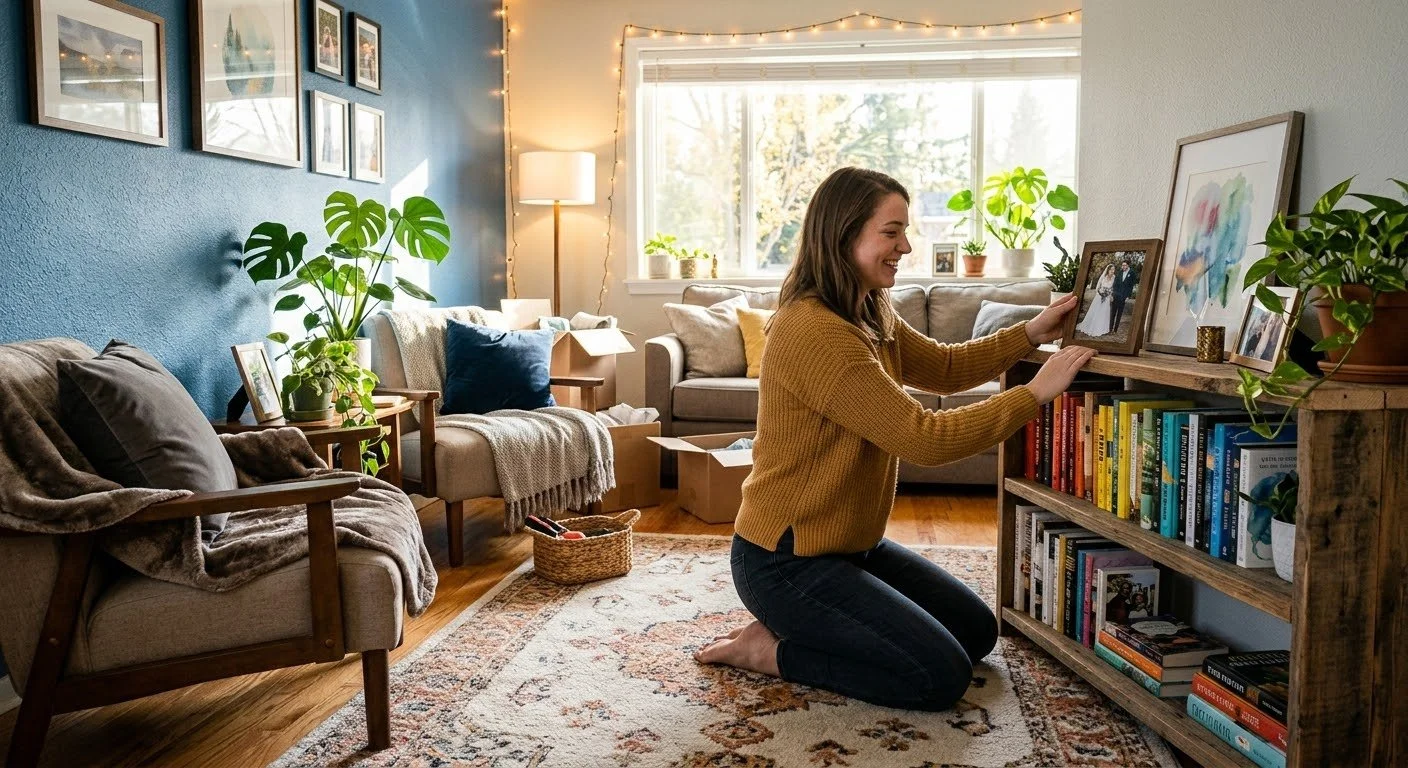
A home can have beautiful furniture, expensive finishes, and great proportions—and still feel strangely impersonal.
That feeling usually isn’t solved by buying more décor. It comes from layering the right combination of color, texture, lighting, artwork, and personal details over time.
At West Village Interior, we approach interiors as a composition of elements that should feel connected, intentional, and distinctly personal.
1. Start With the Architecture
Before choosing décor, look at what the room already gives you.
Architectural details such as moldings, ceiling height, windows, flooring, and built-ins can establish the foundation for the entire design.
The goal isn’t to cover everything up. It’s to work with the character that’s already there.
2. Establish a Color Story
A cohesive home doesn’t require every room to be the same color.
Instead, choose a palette of complementary tones that can appear throughout the home in different ways.
For example, a muted blue might appear as:
A living room accent chair
Artwork in the hallway
Bedding in the bedroom
Accessories in the kitchen
The repetition creates visual continuity without making every room identical.
3. Mix Textures
Texture is what keeps a neutral interior from feeling flat.
Combine materials such as:
Linen
Wood
Stone
Wool
Bouclé
Metal
Glass
Even subtle differences in texture can make a room feel significantly more layered.
4. Bring in Something Vintage
A home shouldn’t look like everything was purchased from the same showroom.
Vintage furniture, antique mirrors, inherited pieces, or secondhand artwork can introduce character and contrast.
The combination of old and new often makes a space feel more collected.
5. Use Artwork to Add Personality
Artwork shouldn’t simply fill an empty wall.
Choose pieces that introduce color, movement, scale, or something meaningful to you.
Large artwork can also give a room a focal point without requiring additional furniture or décor.
6. Pay Attention to Lighting
Lighting changes how every other layer appears.
Use a combination of:
Ambient lighting
Task lighting
Decorative fixtures
Accent lighting
And whenever possible, add dimming controls so the atmosphere can change throughout the day.
7. Leave Room for the Home to Evolve
A finished interior doesn’t have to look completely finished on day one.
Some of the most personal spaces develop gradually through travel, collecting, changing routines, and simply discovering what you love.
Why This Matters
A cohesive home isn’t necessarily one where everything matches. It’s one where the individual elements feel like they belong together while still reflecting the people who live there.
Final Thoughts
If your home feels like it’s missing something, the answer may not be another purchase.
Sometimes, it simply needs another layer.
At West Village Interior, we create interiors that balance thoughtful design with the personality and lifestyle of the people who call them home.