How to Design a Guest Room That Doesn’t Sit Empty 11 Months a Year
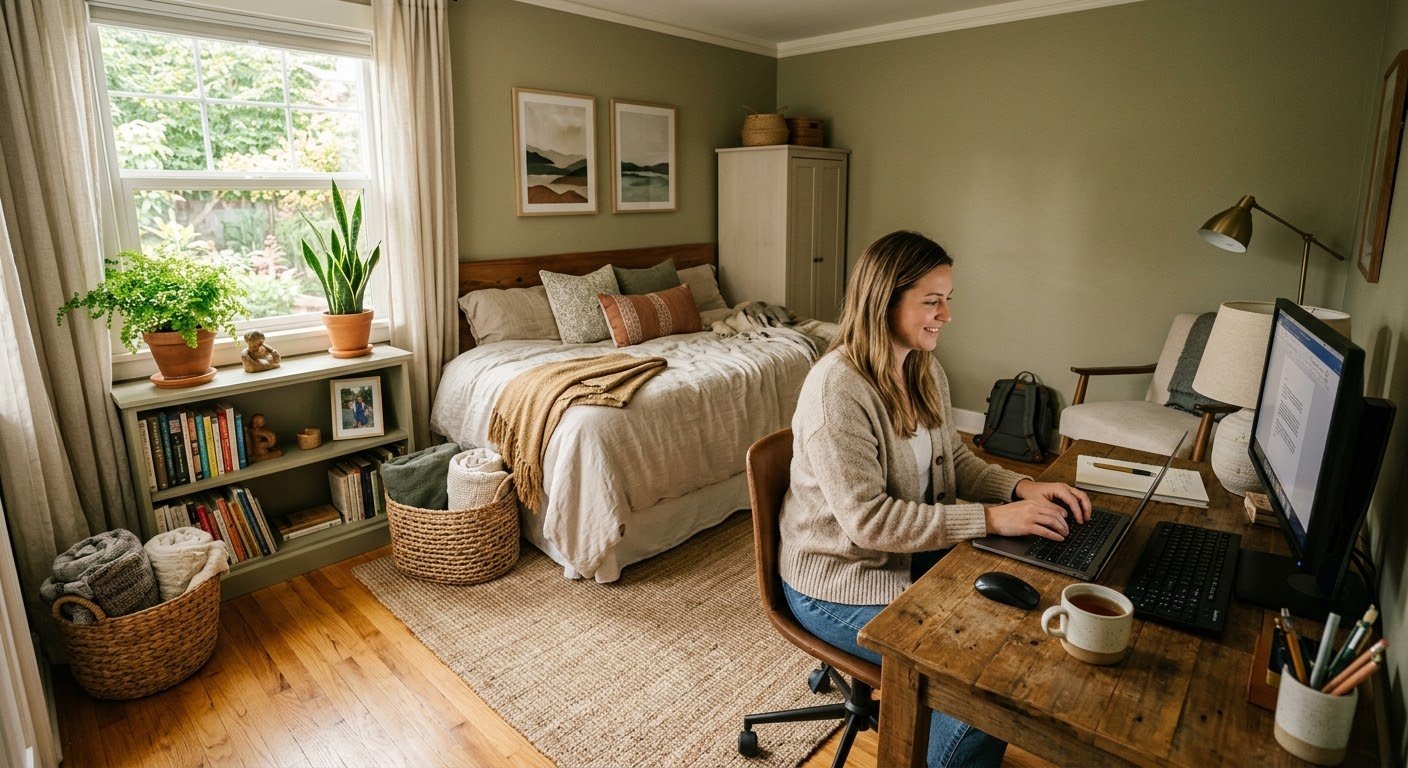
A guest bedroom is one of the least-used rooms in many homes, yet it often occupies valuable square footage. Instead of designing a space that’s only functional a few weekends each year, the smartest homes create guest rooms that serve multiple purposes year-round.
At West Village Interior, we design flexible rooms that welcome overnight guests while supporting everyday living.
1. Start With a Multi-Functional Bed
A queen bed offers versatility, but if space is limited, consider:
Daybeds
Murphy beds
Sleeper sofas
Storage beds
These options allow the room to transition easily between guest use and daily life.
2. Include a Work-From-Home Corner
Adding a compact desk and comfortable chair transforms the room into a productive workspace when guests aren’t visiting.
This is especially valuable for hybrid professionals who don’t have space for a dedicated home office.
3. Maximize Hidden Storage
Guest rooms often become overflow storage by accident.
Use:
Built-in wardrobes
Under-bed drawers
Closed cabinetry
Storage benches
Keeping storage concealed helps the room remain calm and hotel-like.
4. Choose Timeless, Neutral Layers
Neutral bedding, soft lighting, and natural textures appeal to a wider range of guests while making the room feel effortlessly elevated.
Accent colors can always be introduced through pillows and artwork.
5. Think Like a Boutique Hotel
Small details create memorable experiences:
Bedside lighting
Charging outlets
Fresh towels
A luggage bench
Minimal but intentional décor
These thoughtful touches make guests feel genuinely welcomed.
Why This Matters
Designing one room to serve multiple functions increases the value of your home without adding square footage. A flexible guest room works harder for your lifestyle every day—not just when visitors arrive.
Final Thoughts
The best guest rooms aren’t designed for occasional visitors alone—they’re beautiful, functional spaces you’ll enjoy using all year.