The Office Design Features Employees Actually Want in 2026
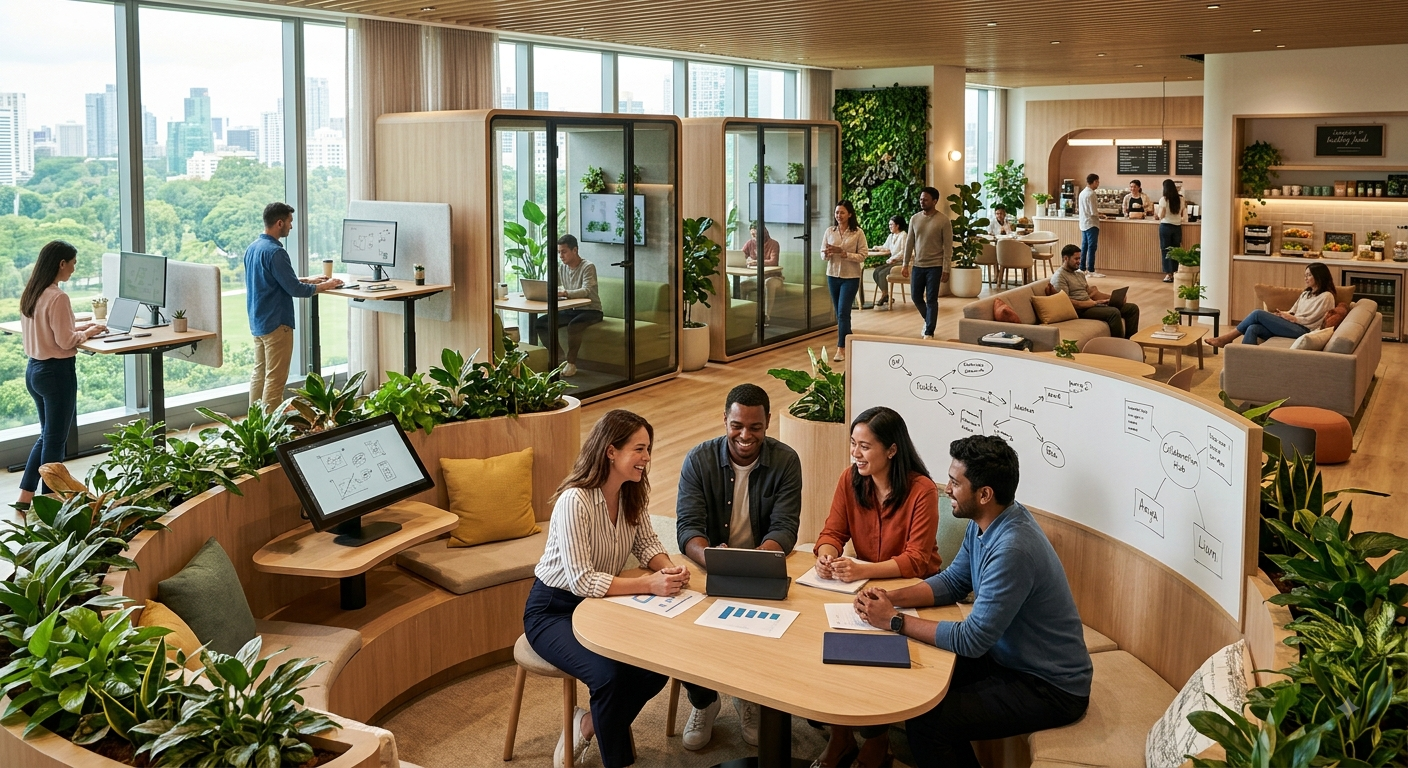
The modern office has changed dramatically. Employees aren’t simply looking for a desk and a chair—they’re looking for a workplace that makes coming into the office worthwhile.
As companies rethink how they use their commercial spaces, design is playing a bigger role in creating workplaces that employees actually want to use.
At West Village Interior, we help businesses create offices that balance productivity, comfort, collaboration, and brand identity.
1. More Spaces for Different Types of Work
One desk setup can’t support every kind of work.
Today’s offices benefit from a mix of:
Focus rooms
Collaboration areas
Private phone rooms
Informal lounges
Traditional workstations
According to Gensler’s 2025 Global Workplace Survey, employees continue to value a range of spaces that allow them to choose the environment that best supports their task.
2. Better Places to Take a Break
Break areas are becoming more hospitality-driven.
Instead of a basic kitchenette with a few chairs, companies are incorporating café-style seating, comfortable lounge furniture, better lighting, and thoughtful material selections.
The goal is to create a genuine opportunity to step away and recharge.
3. Natural Light and Views
Natural light remains one of the most desirable workplace features.
Research published by the World Green Building Council links access to daylight and views with improved employee wellbeing and productivity.
Where architectural conditions allow, office layouts should maximize access to windows rather than treating them as an afterthought.
4. Better Acoustics
As offices become more collaborative, noise management becomes increasingly important.
Acoustic ceiling treatments, upholstered furniture, rugs, partitions, and enclosed rooms can help create a balance between interaction and concentration.
5. Residential-Inspired Comfort
Employees don’t necessarily want an office that feels like an office.
Softer furniture, warmer lighting, natural materials, artwork, and layered textures can create an environment that feels more welcoming without sacrificing professionalism.
6. Flexible Furniture
Businesses rarely stay exactly the same.
Modular tables, movable seating, and adaptable workstations allow spaces to change as teams, schedules, and business needs evolve.
This can extend the useful life of an office design and reduce the need for frequent renovations.
Why This Matters
The office is competing with the comfort and convenience of working from home.
That means commercial design has to provide something employees can’t get from a kitchen table: a workplace intentionally designed around how people want to work, collaborate, and connect.
Through our trade partnerships, West Village Interior helps businesses source elevated furnishings and finishes while creating workplaces that are both functional and memorable.
Final Thoughts
The future of office design isn’t about squeezing more desks into a floor plan.
It’s about creating an environment people genuinely want to return to.